
Entrropy
Entropy is a first-person horror puzzle game centered around navigating dark environments using light based mechanics. The experience focuses on spatial awareness, controlled movement, and maintaining player orientation under limited visibility. The project evolved from an earlier assignment prototype, allowing us to build on an established concept while significantly expanding its scope and mechanical depth. As lead designer, I was responsible for defining the core mechanics, shaping the overall player experience, and focusing heavily on level design and playtesting throughout development. This project also won Best Visuals and Game of the Year at the Swedish Game Awards in 2025.
Role: Lead Designer
Time: 9 Weeks
Team Size: 20
Engine: Unreal Engine 5
Genre: Horror, Puzzle
Platform: PC, PS5
Design Focus
From the beginning, the primary challenge was balancing tension and readability. Darkness needed to feel oppressive without becoming disorienting, and puzzles needed to challenge the player without relying on hand holding.
My design decisions consistently aimed to guide players through subtle environmental cues, controlled pacing, and gradual mechanic introduction.
Mechaanics
The game's core mechanic is the weapon that the player wields. It fires orbs of light which is the players primary source of light.
I worked on the mechanics that the player could interact with using these orbs of light.
Magnet Sphere
Many of Entropy’s mechanics revolve around manipulating space and movement through the use of light orbs. Early in development, a simple grappling interaction was used to pull the player towards an object. I helped expand this idea into the magnet sphere system, inspired by movement focused mechanics in other games that allow players to float within a controlled space.
Possession
Another key interaction is the possession cube. When activated, the cube mirrors the player’s movement, allowing it to be guided onto switches that activate platforms. Once released, the cube returns to its original position. This mechanic was designed to encourage deliberate movement and spatial planning rather than quick reactions.
Spores
Environmental pressure is introduced through spore clouds, which slowly damage and hinder the player. Early playtests revealed that players could rush through them without consequence, so I adjusted the mechanic to apply lingering movement penalties. This change allowed spores to function as meaningful obstacles and even maze-like navigation challenges rather than simple damage zones.
Level Design
Throughout the project, my primary focus was level design. I created early blockouts using the original prototype to establish scale before player movement was finalized, allowing the team to iterate quickly without committing to time expensive assets.
Frequent playtesting helped identify softlocks, unintended skips, and collision issues, which informed layout adjustments and puzzle sequencing.
Level 1
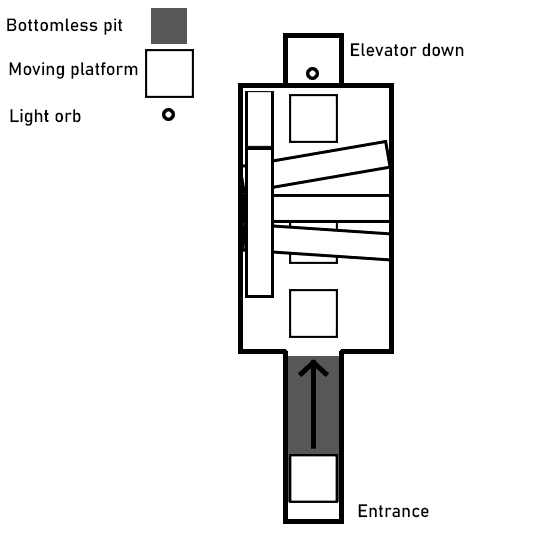
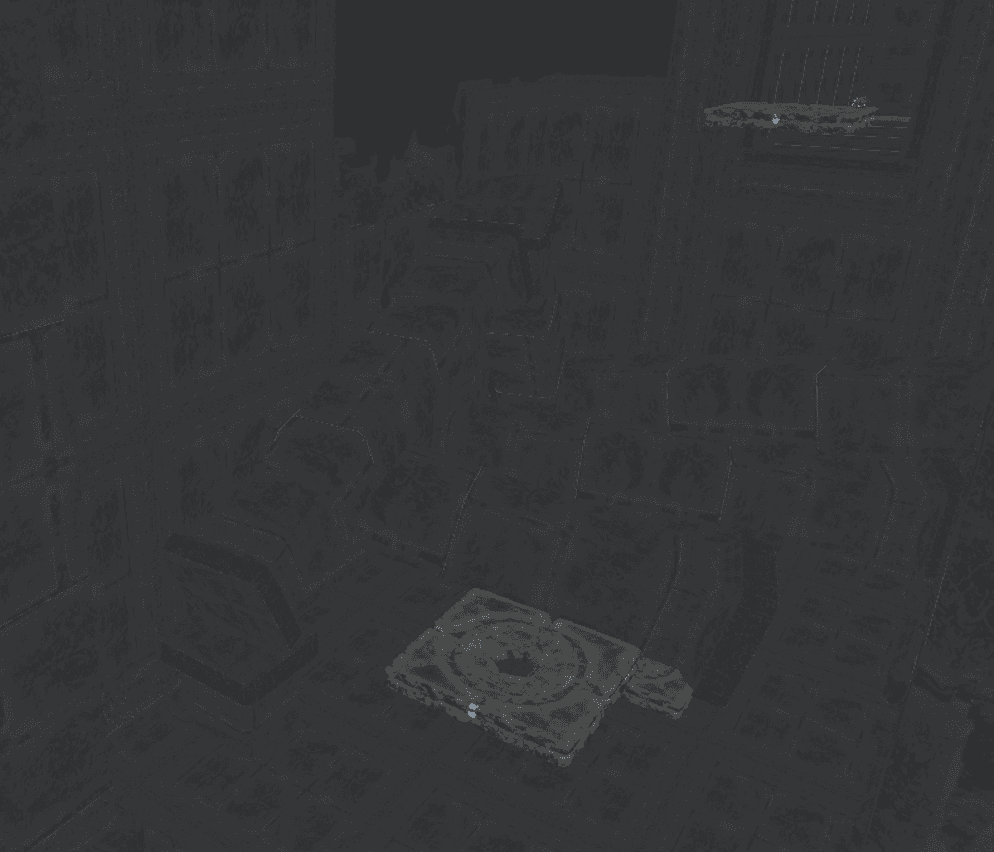
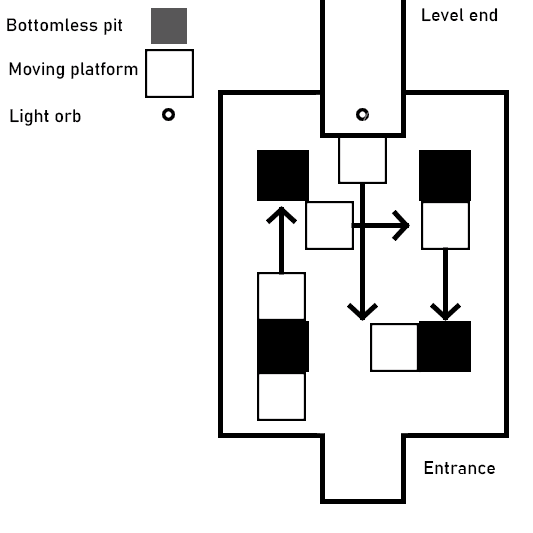
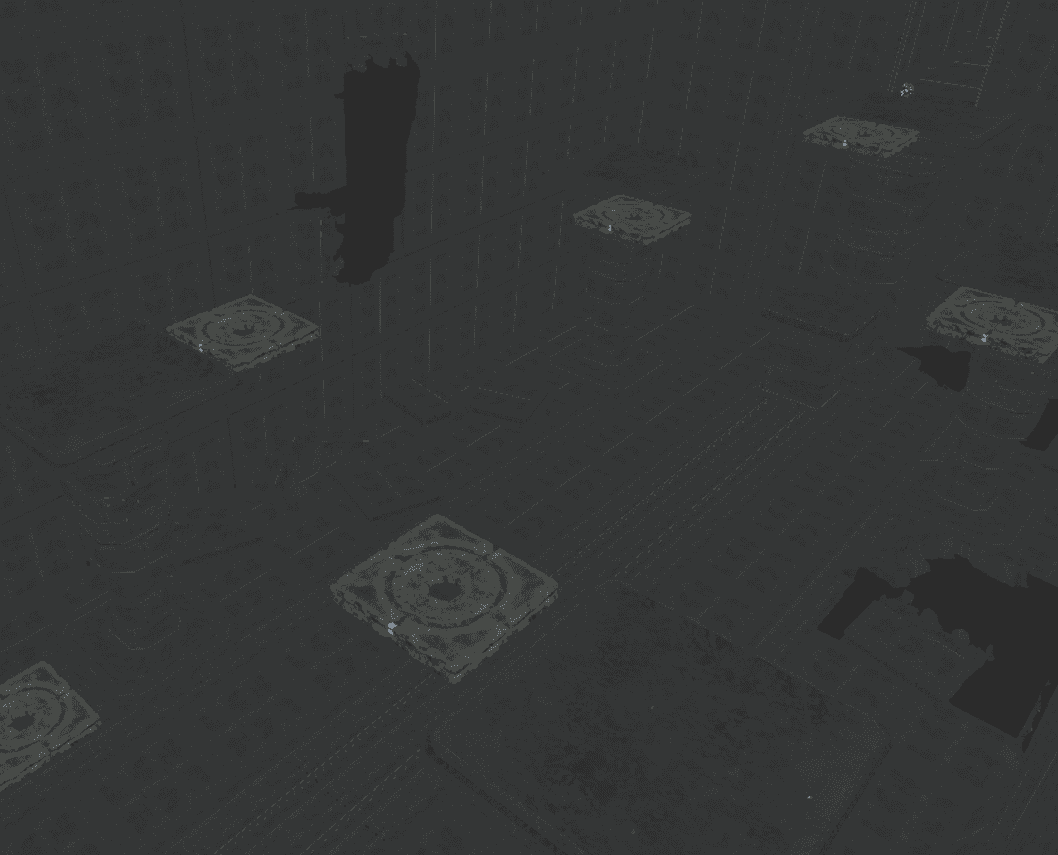
The first level introduces the core mechanics in a controlled environment. I designed early platforming puzzles in multiple scales to determine the most readable proportions for movement and interaction.
The temple section introduces moving platforms that respond to player input, gradually layering complexity by allowing platforms to collide and interact with one another. By the end of the level, the decision was made to have players deposit collected orbs before returning to the hub, ensuring consistency across all levels.
Level 2
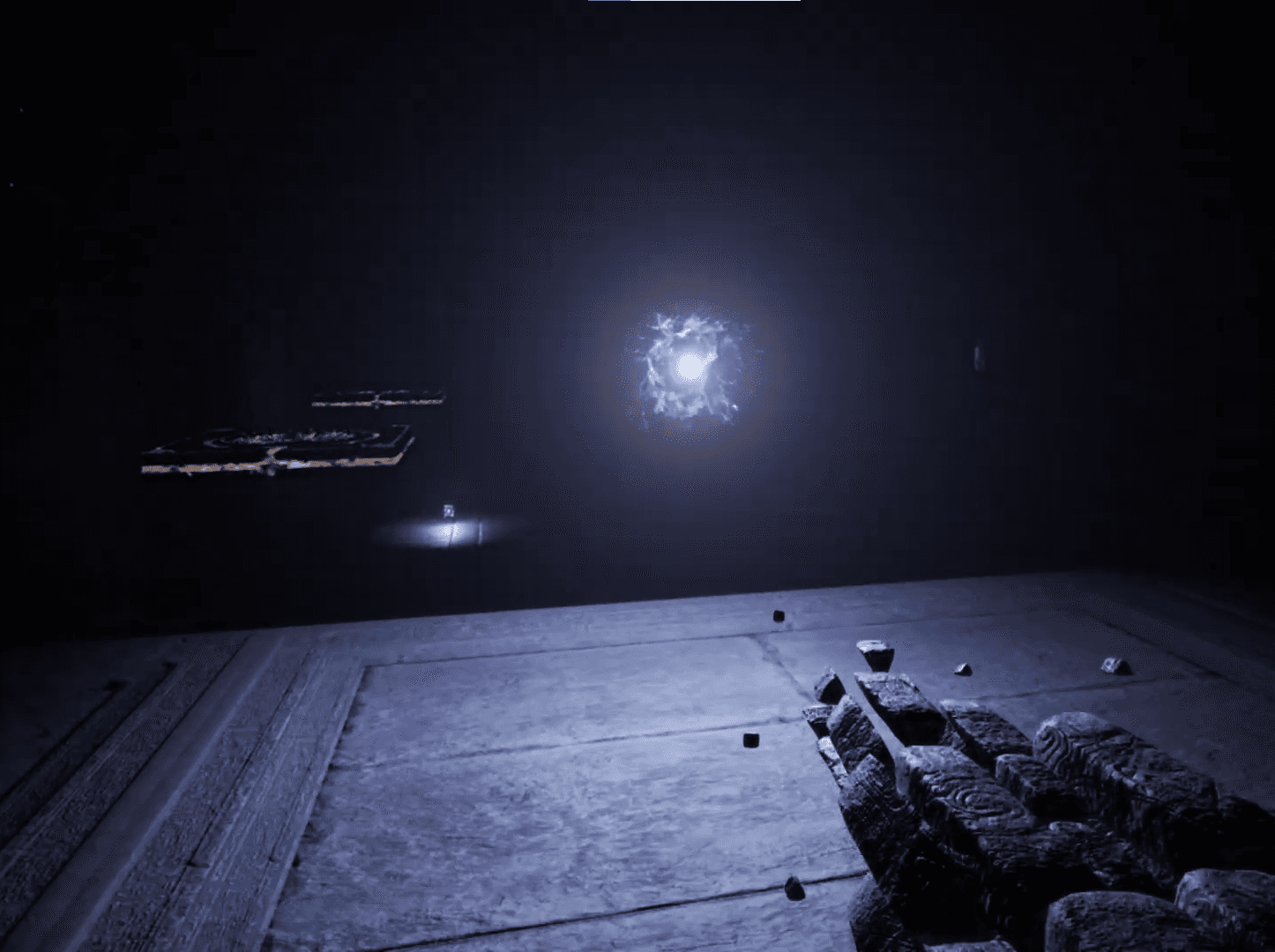
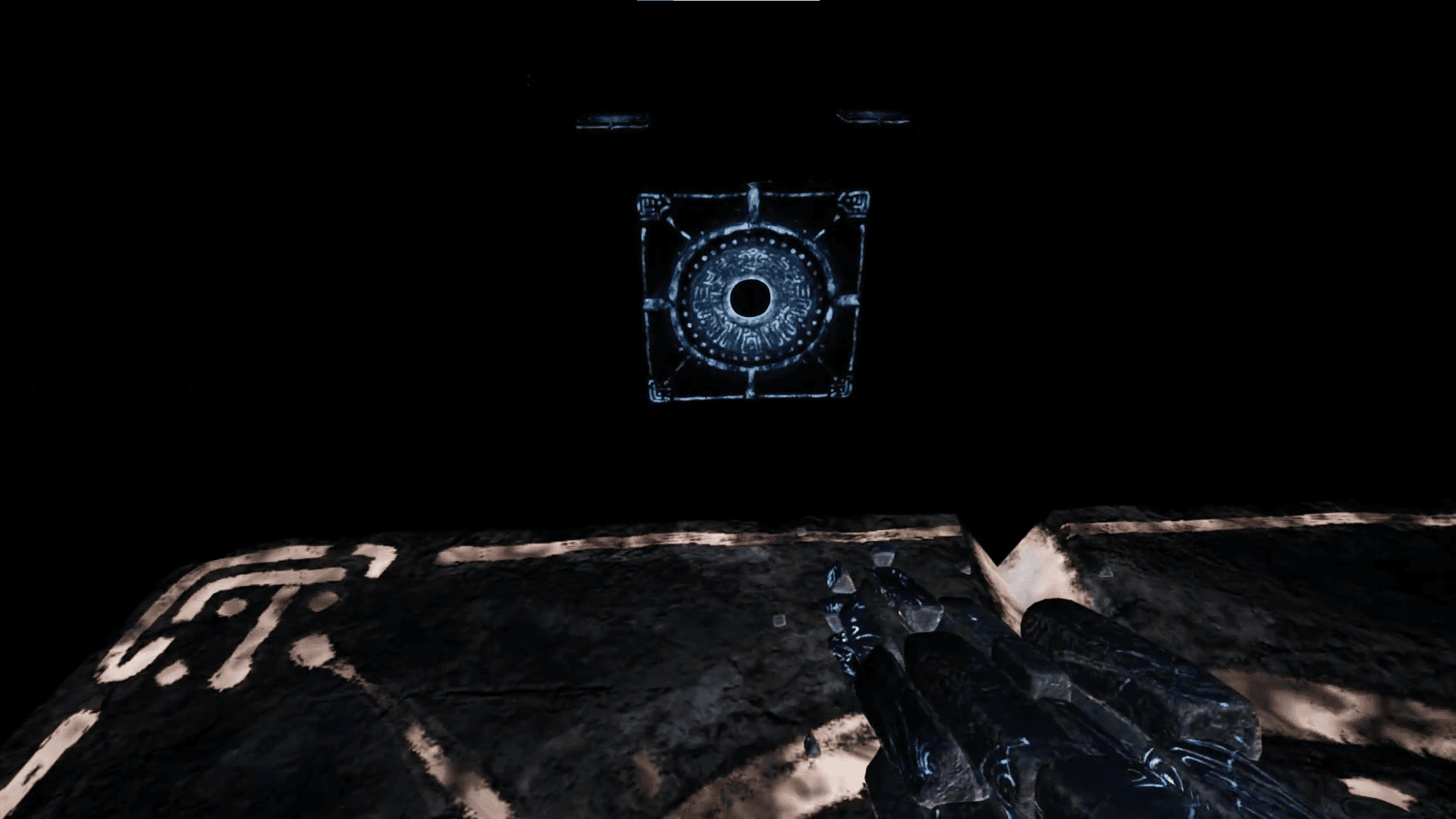

This level was primarily built by another designer. I supported this level through playtesting, pacing adjustments, and identifying areas where player guidance could be improved. My focus here was on overall flow and ensuring that previously learned mechanics were reinforced without unnecessary difficulty spikes.
Level 3
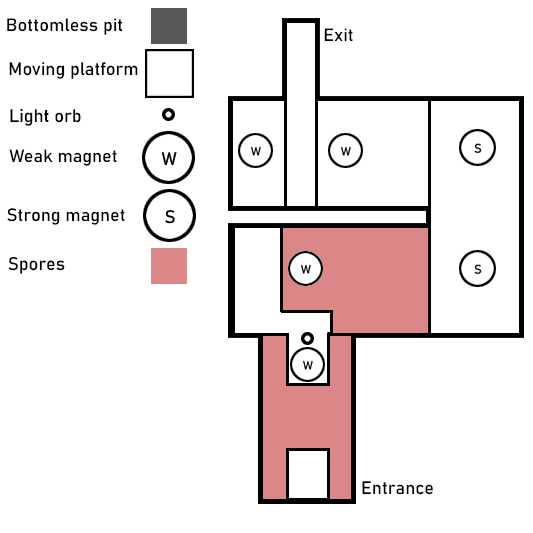
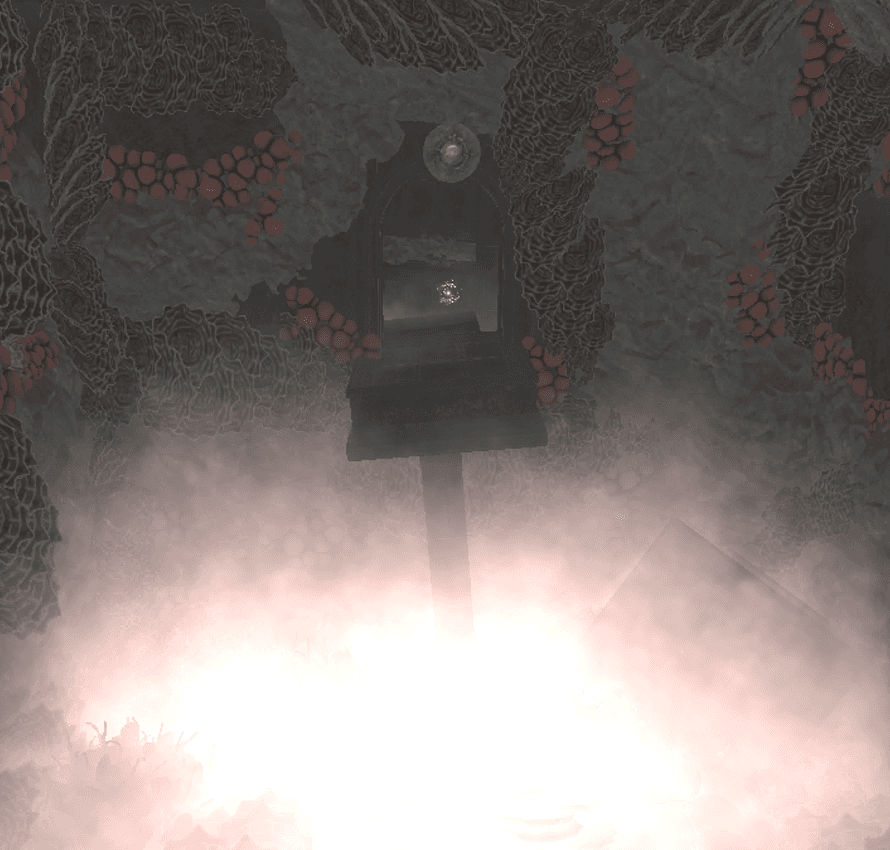
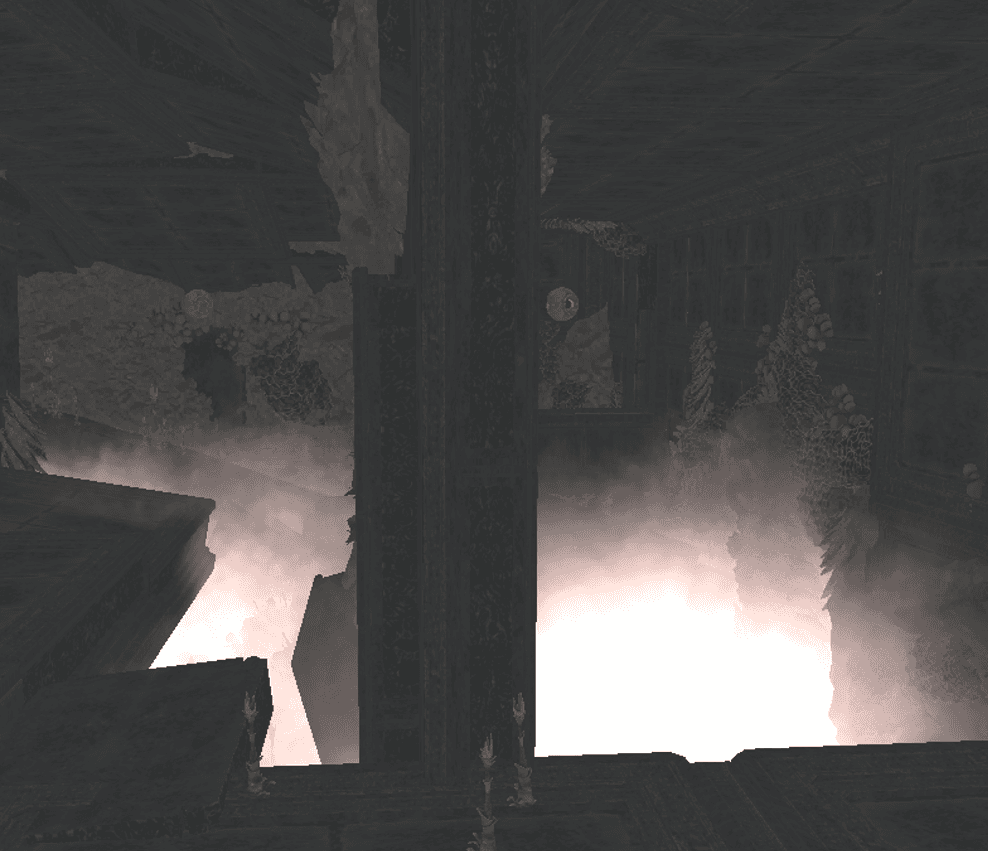
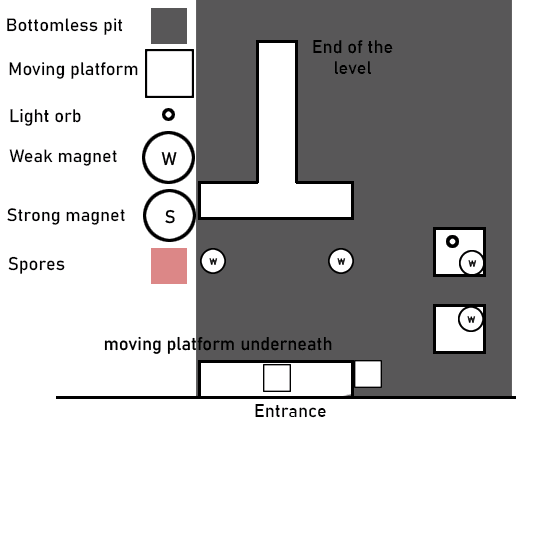
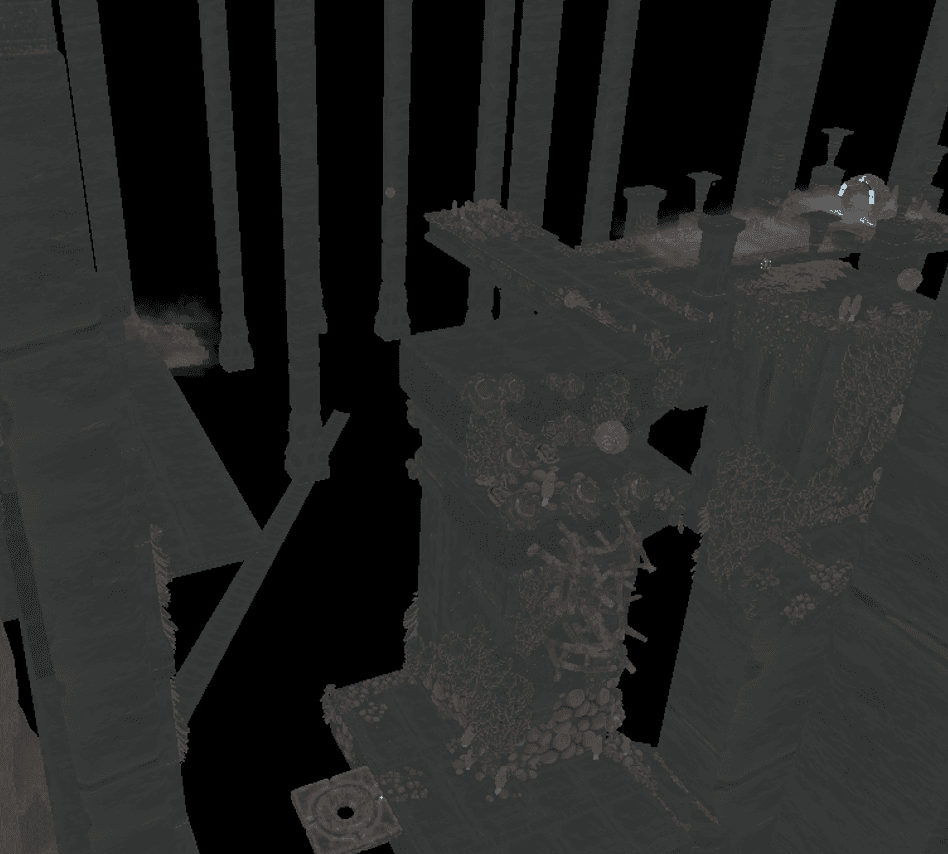
In the third level we introduce the magnet spheres. The opening room presents a simple, low risk scenario that allows players to understand the pull mechanic before introducing spores and weaker magnets. As the level progresses, mechanics are combined to require intentional recall timing and spatial awareness, culminating in a puzzle that demands the player apply everything they have learned so far.
Level 4
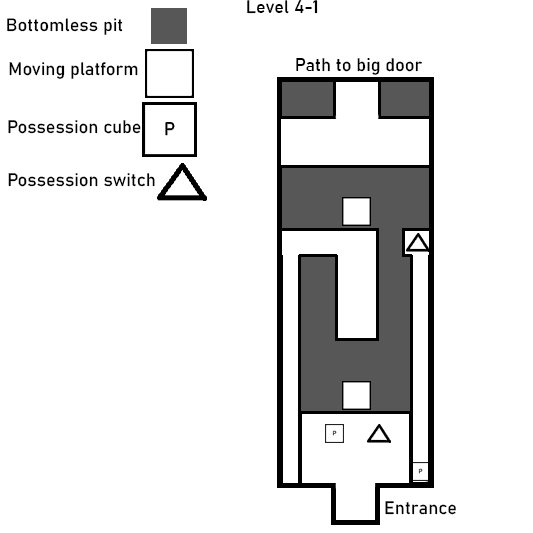
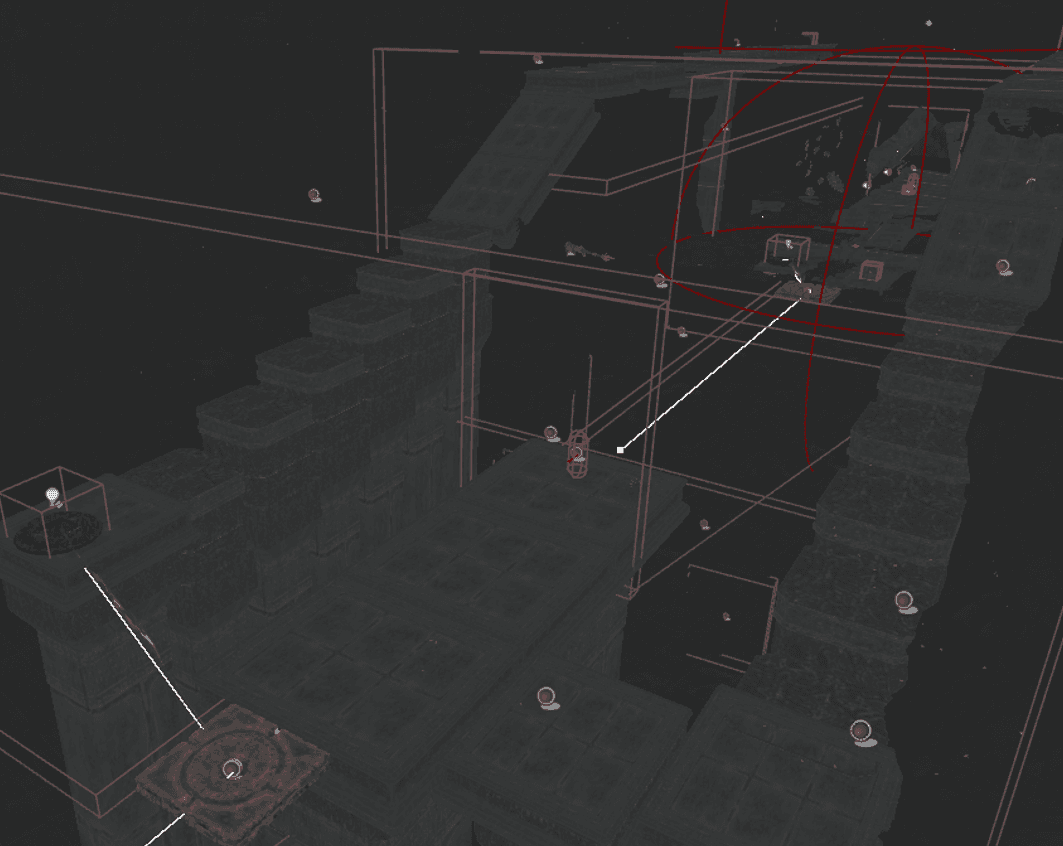
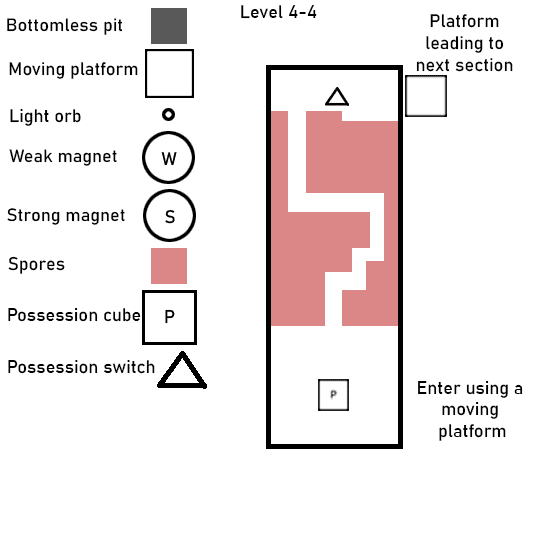
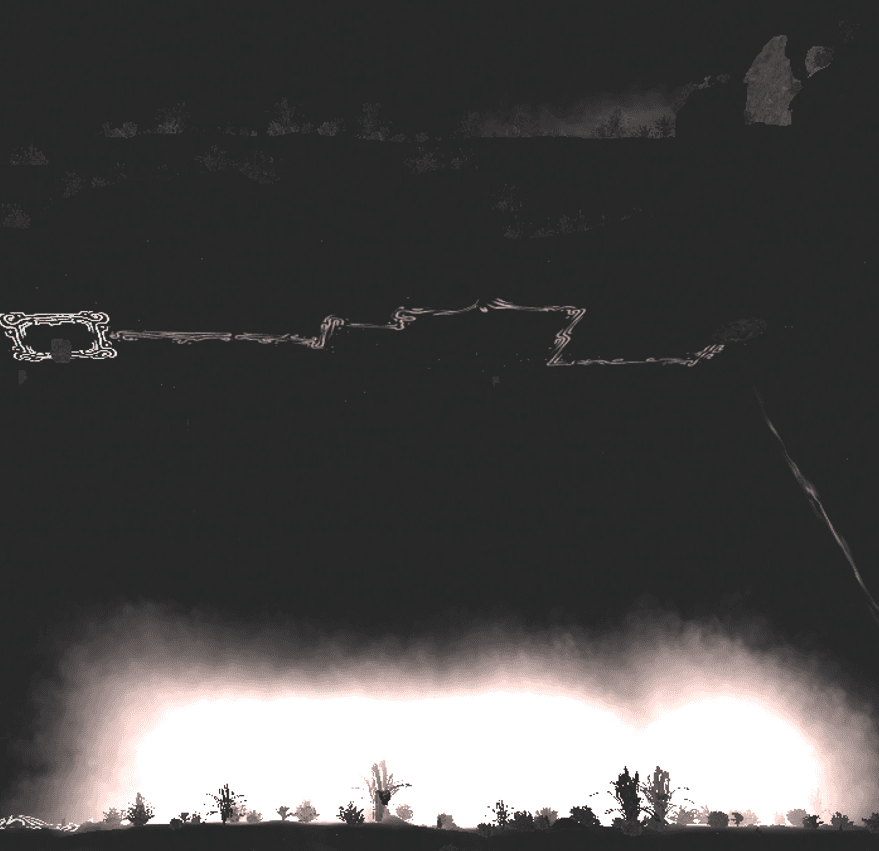
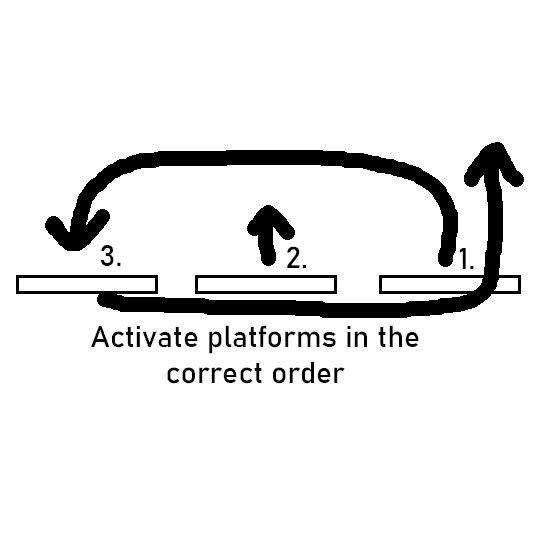
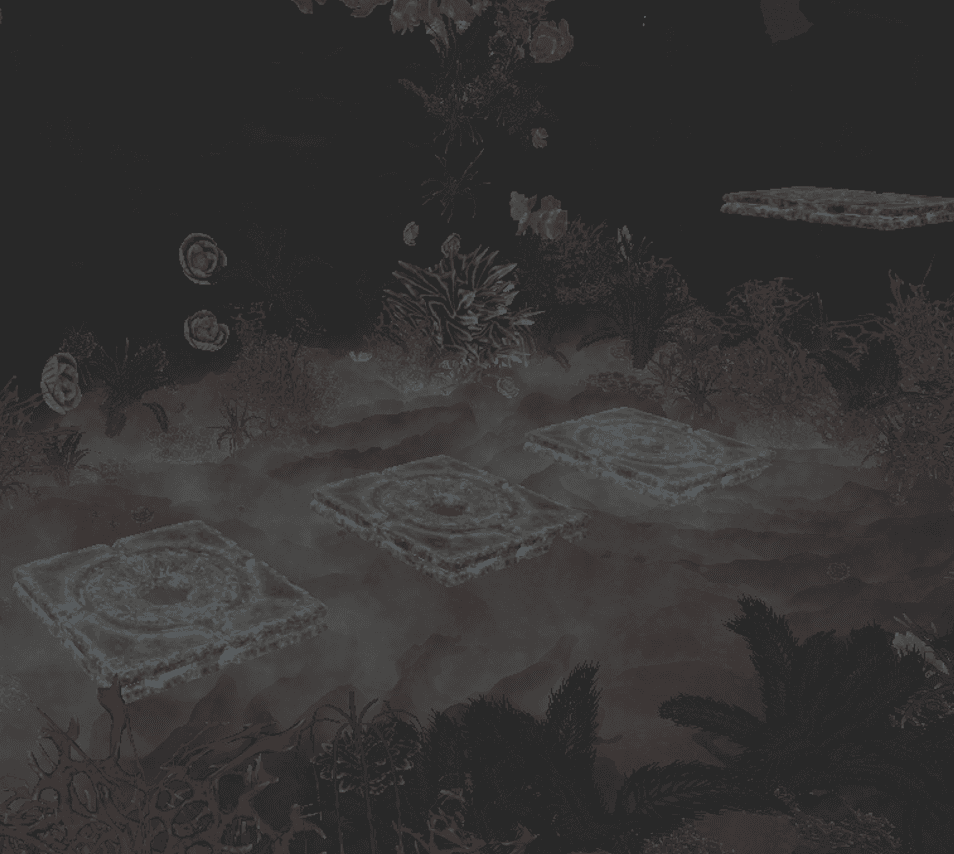
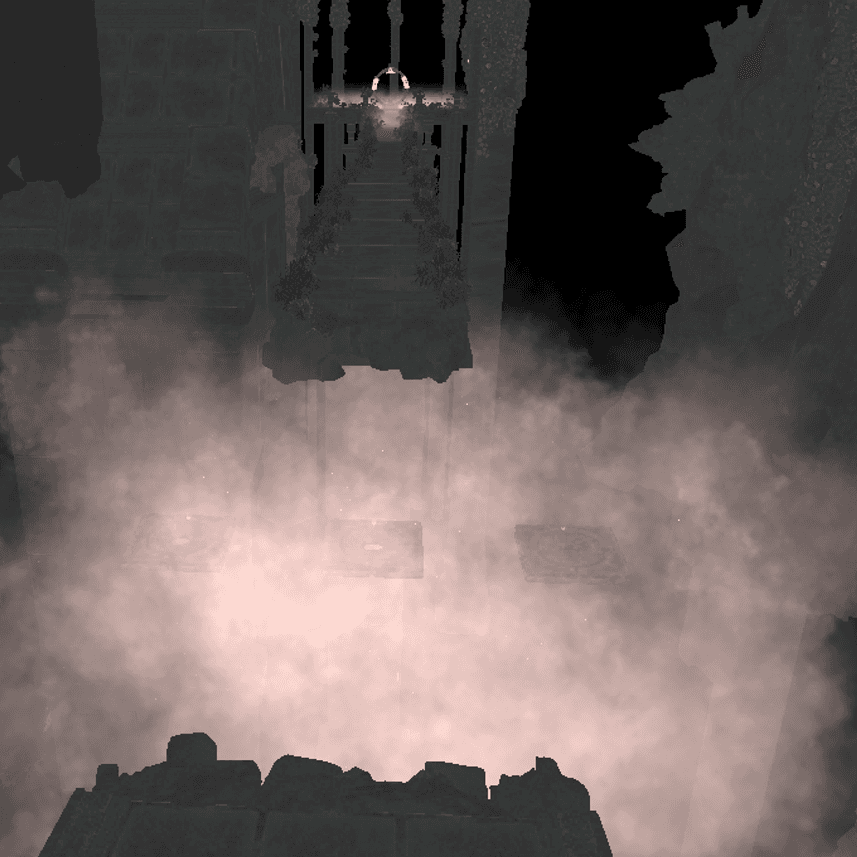
Level four is the final level of the game and serves as the final test of the game’s mechanics and introduces the possession cube. I designed an initial puzzle that isolates the mechanic to ensure clarity before expanding it into a more complex sequence that temporarily shifts the game into a 2D platforming perspective. The final area repurposes a large blockout created earlier in development, allowing multiple designers to collaborate on a climactic space that tests all core systems. This final section includes more complex versions of previous puzzles, such as navigating using magnet spheres, possession cubes and creating paths by activating platforms in the correct order.
Playtesting aand Iteration
I conducted multiple playtests per level after each iteration. During these sessions, I tracked player pacing, navigation choices, and moments of confusion. This data guided adjustments to lighting, geometry, and puzzle structure to maintain tension while preventing players from becoming lost or frustrated.
Playtesting was invaluable for mechanics. Finding the right overall feeling of a level, as well as striking a balance between subtle guidance and player agency was a consistent focus throughout development.
Entropy reinforced the importance of pacing and clarity in puzzle design, particularly in environments where visibility is intentionally limited. Leading this project helped me grow more confident in making design decisions early, validating them through playtesting, and adjusting them when player behavior didn’t align with expectations.
Reflection